
For years, “ranking on Google” was the ultimate digital marketing goal.
But that’s changing — fast.
With the rise of AI-powered assistants like ChatGPT, Bing Copilot, and Perplexity, the way people find and trust businesses is shifting from traditional search engines to AI-driven answers.
Here’s the twist most business owners don’t realize:
These AI systems rely heavily on Bing’s index, not Google’s.
If your website isn’t optimized for Bing, it might never make it into the AI-generated recommendations your clients are already seeing.
How to Improve Your Visibility on Bing
Optimizing for Bing isn’t complicated — but it does require deliberate steps.
Here’s your roadmap:
1. Verify Your Website in Bing Webmaster Tools
- Visit Bing Webmaster Tools.
- Sign in with a Microsoft account and import your existing Google Search Console data (it takes minutes).
- This helps Bing understand your sitemap, crawl rate, and indexation.
2. Submit and Refresh Your Sitemap
- Go to Sitemaps → Submit Sitemap and enter your XML sitemap URL (usually yourwebsite.com/sitemap_index.xml).
- Keep this updated — Bing checks for freshness regularly.
3. Strengthen Structured Data (Schema)
- Use Organization, LocalBusiness, Article, and FAQ schema to help Bing contextualize your website.
This ties directly with your LLMTXT and AI search readiness efforts.
4. Build Authority Through External Validation
- Claim and update your Bing Places for Business listing — Bing’s version of Google Business Profile.
- Encourage consistent citations across directories like Yelp, Clutch, and industry-specific platforms.
- Backlinks from credible sources still matter, but Bing prioritizes quality and topical relevance.
5. Align Your Content with AI-Friendly Writing Standards
- Write in a conversational, helpful tone.
- Add FAQs, client scenarios, and question-based sections.
- AI systems rely on semantic context — so clarity always wins over cleverness.
Quick Bing Optimization Checklist
- Verified Bing Webmaster Tools account
- Updated XML sitemap submitted
- Schema markup validated via Yoast or Schema.org
- Bing Places listing active and accurate
- Internal linking between key service and about pages
- External citations consistent across platforms
What Success Looks Like
Once your site is optimized for Bing, you’ll start seeing:
- Faster indexing (especially for new blog posts and updates)
- Higher visibility in Bing search and AI-driven results
- Potential citations in ChatGPT’s “Search with Bing” responses
- Improved content comprehension by AI systems integrating Bing data
The long-term advantage?
Your brand becomes part of the training material AI tools rely on — not an afterthought.
The Future of Search Is Already Here
AI-driven discovery isn’t replacing search; it’s transforming it.
Google still matters, but Bing now serves as the data backbone for AI assistants — meaning businesses that optimize early gain visibility across all future AI ecosystems.
Your next client might not be typing into Google — they could be asking ChatGPT.
And that answer will likely come from Bing.
Why Businesses Choose WP Minds
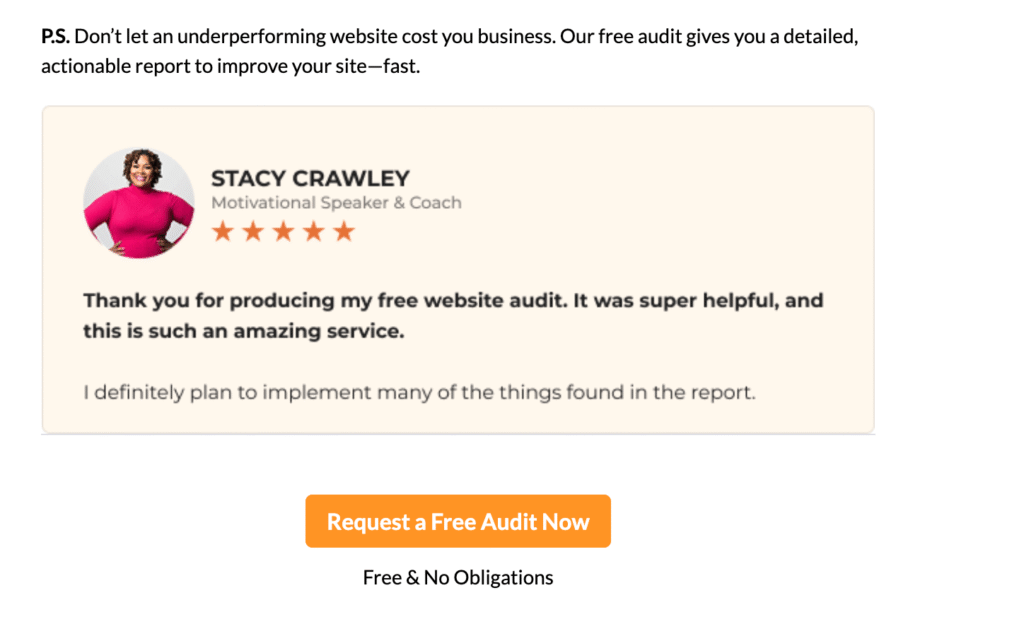
Our clients value the consistency, expertise, and long-term partnership we provide to help their digital presence evolve with their goals.

“They went above and beyond my expectations—helping not just with design and development, but also with hosting needs.”

Lena Ludwig
Logistically Nonprofit Services, Inc.
“WP Minds takes care of all my WordPress technical needs quick and expertly. I highly recommend them.”

Brad Costanzo
AI & Growth Consultant
“The team is incredibly patient, loyal, and hardworking.”

Ezgi Todurge
Unraveling Minds Psychotherapy
“Your patience with all the technical stuff means the world—don’t ever retire!”

Sue London
Ask Sue London
“They’re super responsive, they understood my needs, and were always patient with me and my changes.”

Scott Davison
The Dad Train